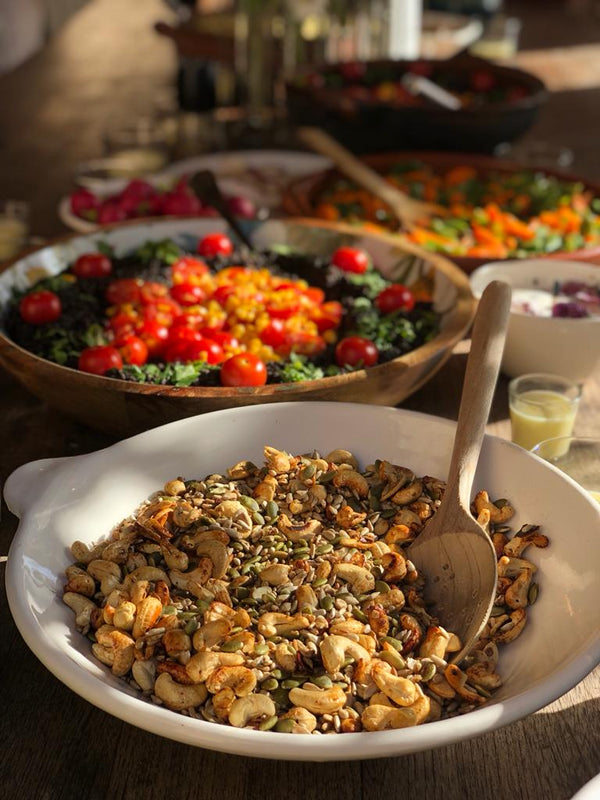










In short: Ayurvedic nutrition means eating fresh, warm and seasonal food, seasoning every meal with spices and bringing all six tastes – sweet, sour, salty, pungent, bitter and astringent – onto your plate where possible. It also includes regular meals, the main meal at midday and eating mindfully without rushing. You don't need to cook Indian food for it.
What is Ayurveda?
Ayurveda is a teaching from India that is more than 3,000 years old. The name combines “Ayus” (life) and “Veda” (knowledge). Food plays a central role: what, when and how we eat should suit our type, the season and the time of day. We describe the traditional principles here – they don't replace medical advice.
The three doshas
Ayurveda distinguishes three basic forces, the doshas. Everyone has all three, but in their own mix:
- Vata (air and space) – mobile, light, cool. Likes warm, oily and regular.
- Pitta (fire and water) – hot, intense, determined. Likes cooling and mild.
- Kapha (earth and water) – calm, heavy, stable. Likes light, warm and spicy.
If you'd like to know your type more precisely, you can have it determined in a consultation, for example in our nutrition and lifestyle coaching. To get started, the general rules below are enough.
The six tastes
In Ayurveda, a meal is considered balanced when it contains all six tastes:
- Sweet – grains, rice, sweet fruit, milk
- Sour – lemon, yoghurt, fermented foods
- Salty – salt, seaweed
- Pungent – pepper, ginger, chilli
- Bitter – leafy greens, turmeric, fenugreek
- Astringent – pulses, pomegranate, green tea
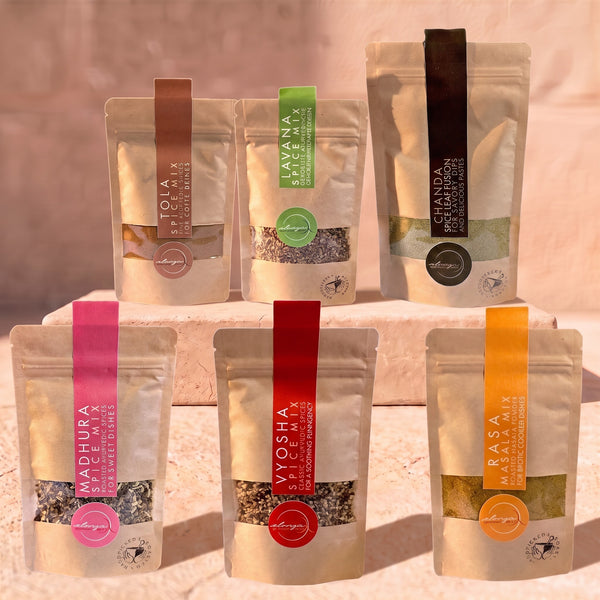
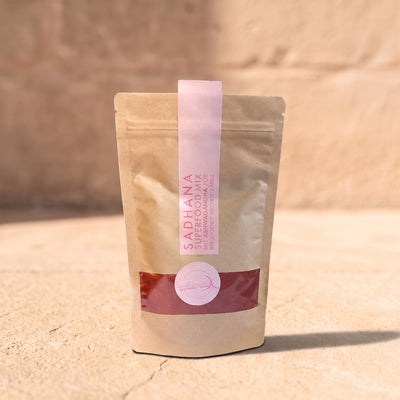
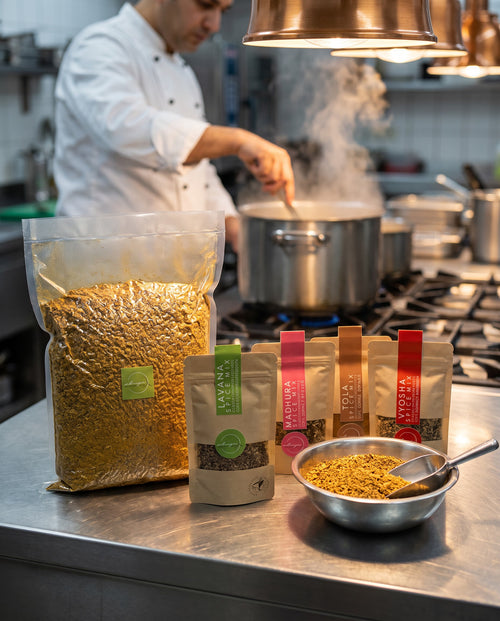
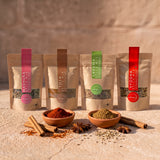
Spices are the easiest way to add several tastes at once. That's why our blends are composed to combine sweet, pungent and bitter notes.

7 basic rules for everyday life
- Warm rather than cold: cooked food and warm drinks come first, especially mornings and evenings.
- Fresh and seasonal: what's growing right now goes on the table. Avoid reheated leftovers where you can.
- Main meal at midday: lunch can be the biggest meal, dinner lighter and earlier.
- Eat regularly: fixed times, with breaks between meals instead of snacking.
- Spices in every meal: ginger, cumin, coriander, fennel, turmeric, cinnamon and cardamom are the classics.
- Eat mindfully: sitting down, without screens, chew well, stop before you're completely full.
- Drink warm water: spread over the day, rather between than with meals.
An Ayurvedic sample day
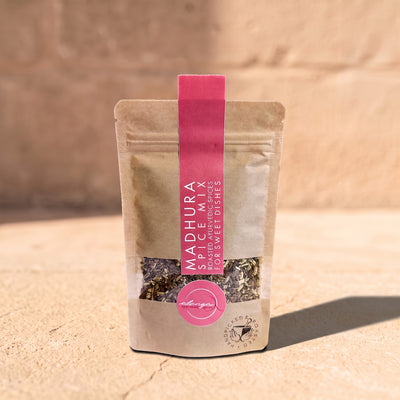
- Morning: warm water, then a spiced porridge with apple and Madhura. Ideas in our guide Ayurvedic breakfast.
- Midday: the main meal, for example a lentil dal with Rasa, rice and steamed vegetables.
- Afternoon: a chai latte without black tea or an herbal tea.
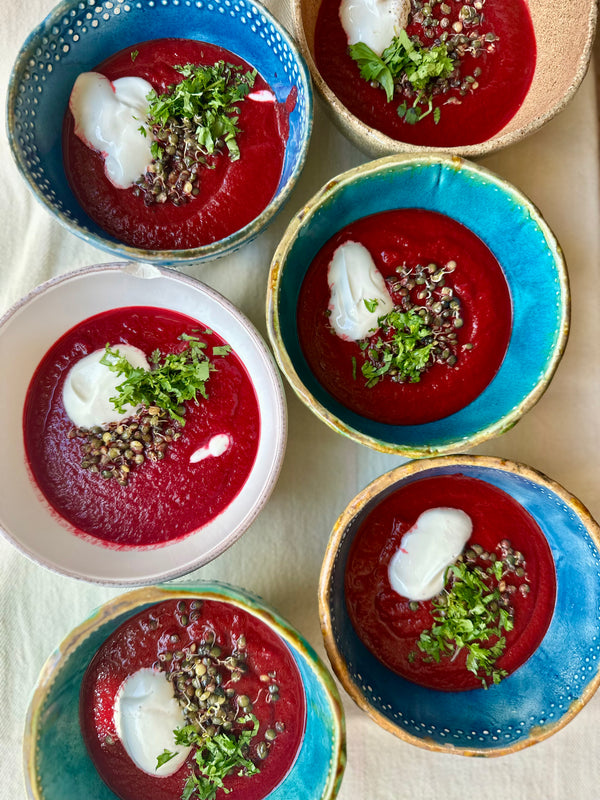
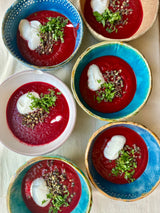
- Evening: something light and warm, such as our sweet potato and coconut soup, followed by a pink latte or Aramati.
Frequently asked questions
Do I have to eat vegetarian?
Traditional Ayurvedic cooking is mostly vegetarian, but it's not a must. Many people start simply with more warm, spiced dishes and vegetables.
Do I need special ingredients?
No. Lentils, rice, vegetables, ghee or good oil and a handful of spices are enough. Ready-made blends like Alonga Complete save you putting them together.
What's the easiest way to start?
With one meal: for example a warm breakfast instead of cold muesli. Once that's a habit, add the next one.
Can I learn Ayurvedic cooking?
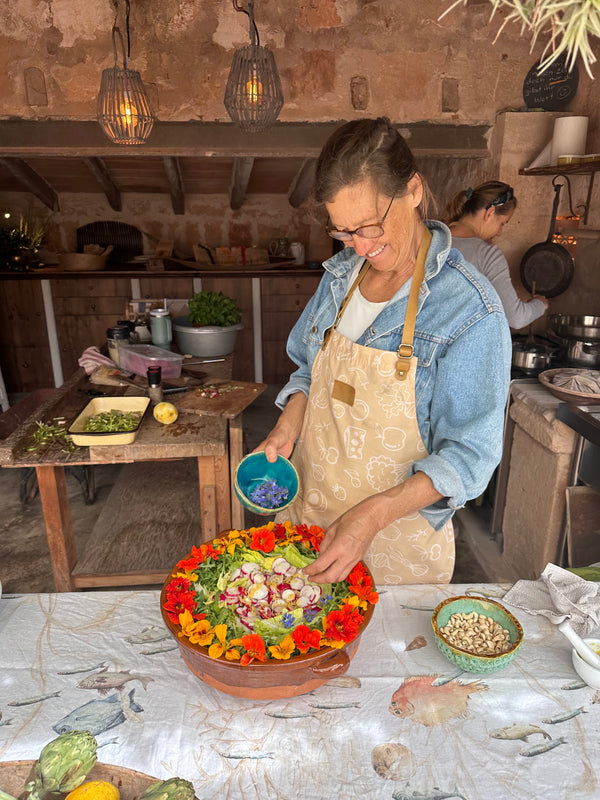
Yes, for example in our Ayurvedic cooking class for private groups. More tips in How to make your diet more Ayurvedic.